Compare AI Video Models — Which One Should You Pick?
Six image-to-MP4 models · one credit balance · no subscription
“Which model is best?” smuggles in a false premise — there is no podium. The same portrait that Kling renders beautifully can fall apart in Veo, and the reverse is just as common. What matters is the pairing of your specific image with the right engine. Below: what each of the six models on ImageToMP4 is genuinely good at and what it costs — plus the one-balance A/B that settles the question for your photo instead of in the abstract.
The comparison table
Specs below are the live settings on ImageToMP4 (verified November 5, 2026). Longer or higher-resolution renders scale up, and the exact total is always shown before you generate.
| Model | Best for | Audio | Max length | Resolution | Base cost | Speed |
|---|---|---|---|---|---|---|
| H3 Max Turbo | Free-credits drafts, speed | Native, free | 10s | 480p–1080p | ⚡10 | Fastest |
| Seedance Mini | Budget everyday clips | Native | 10s | 480p / 720p | ⚡25 | Fast |
| MiniMax H3 Max | Faces & expression at 768p | Native, free | 10s | 480p–1080p | ⚡30 | Fast |
| Kling 2.6 | Cinematic motion, people | Optional (2× tier) | 10s | 720p | ⚡25 | Fast |
| Grok Imagine 1.5 | Fast drafts, memes, fun | Native, free | 10s | 480p–1080p | ⚡30 | Fastest |
| Veo 3.1 Fast | Realism, portraits, keepsakes | Native (4K tier) | 8s | 720p / 4K | ⚡30 | Moderate |
| Vidu Q4 | Longer storytelling clips | Native, free | 16s | 720p–4K | ⚡35 | Fast |
| Seedance 2.5 | Long-form up to 30 seconds | Native, synced | 30s | 480p / 720p | ⚡75 / 5s | Slower (long clips) |
Base cost = each model's shortest default clip (all ⚡ figures are per 5s at default settings unless noted). A full 30-second Seedance 2.5 clip in 480p costs ⚡365; longer durations and higher resolutions cost more — the exact total is always shown before you generate.
Which model should I pick?
Spec pick: Veo's 4K tier preserves the most close-up detail. Kling 2.6 is the cheaper starting point — verify on your own photo, we have not run side-by-side tests.
Strong prompt adherence keeps labels and edges stable on a slow camera move, at the lowest HD price (⚡25).
Fur motion reads naturally at 720p; if you're iterating on many takes, Seedance Mini halves the cost.
16-second window gives clouds and light time to develop; 4K option for big screens.
The only model here that goes to 30 seconds in one clip, with synced audio.
Fastest turnaround and loose, expressive motion — ideal when you'll post the funniest take, not the cleanest.
The shape of it: ⚡10 is H3 Max Turbo (the free-credits draft), ⚡25 buys Kling 2.6 or Seedance Mini, and that covers the everyday majority. When the frame itself is the deliverable, Veo 3.1 justifies its premium. Length is whatVidu Q4 and Seedance 2.5 are for. And when you\'re still iterating, Grok is the fastest loop.
How a fair comparison works — one real example
Every “best model” claim dissolves in front of one controlled test: identical image, identical prompt, several engines, a single balance. A real run from this site — illustration on the left, its Kling 2.6 render on the right:
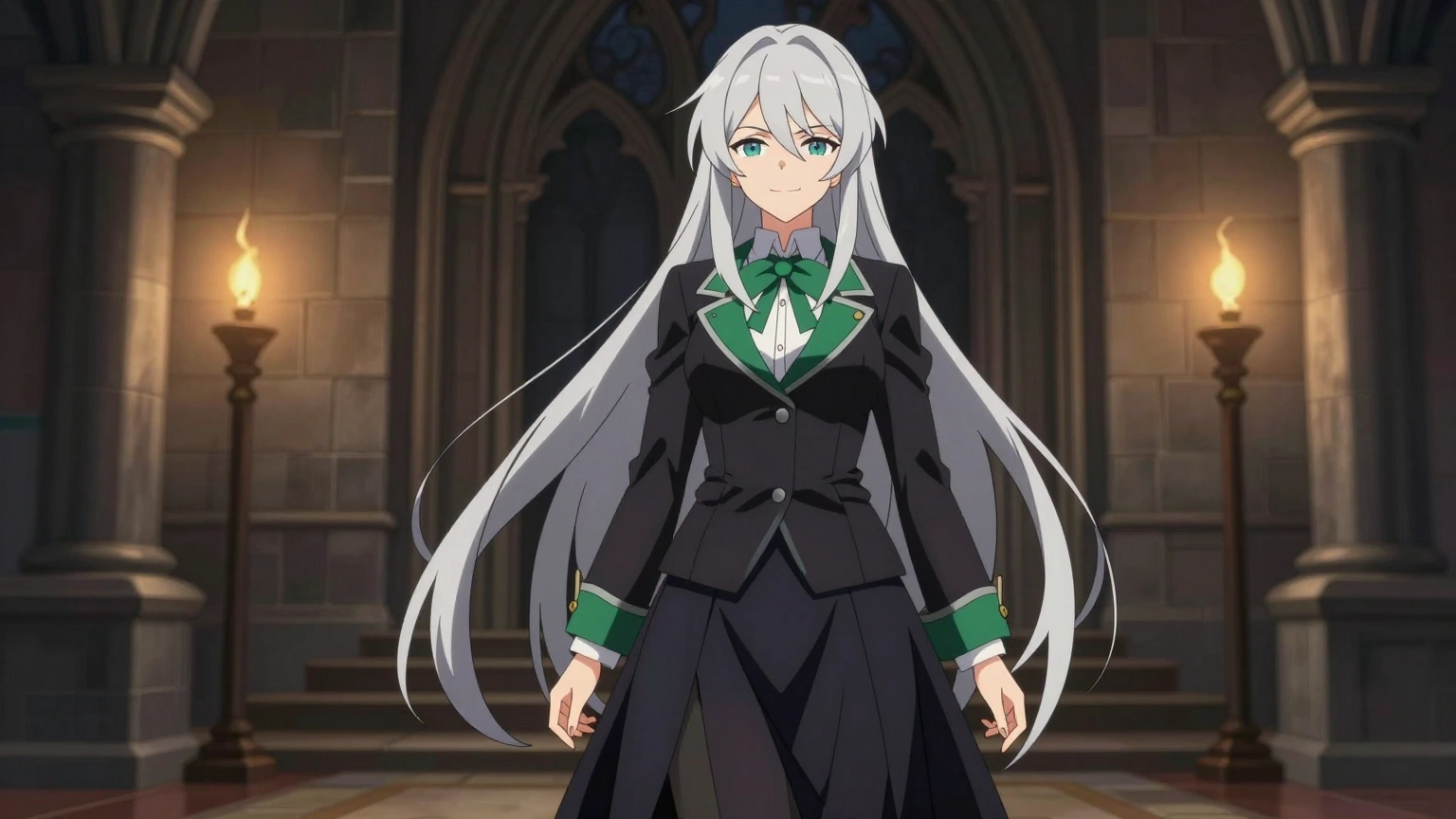 Input — one illustration
The prompt, verbatim: The confident silver-haired witch flips her long hair, smirks at the camera and struts forward, dark candle-lit corridor, cinematic anime style. Point the same words at Veo 3.1 or Seedance and you hold a clean A/B on your own meter. A published benchmark — ten images through all six models, prompts and costs and failures included — is in preparation. Until it ships we refuse to crown an overall winner, and we\'d side-eye anyone who does.
Real runs by scenario — five real examples, one site
Different photos want different things: a pet must keep its markings, a product must not warp, a valley just needs moving mist. Each tile below is one real generation run on ImageToMP4 — input photo, verbatim prompt, actual credits. The scene pages break down prompt craft and failure modes for each scenario.
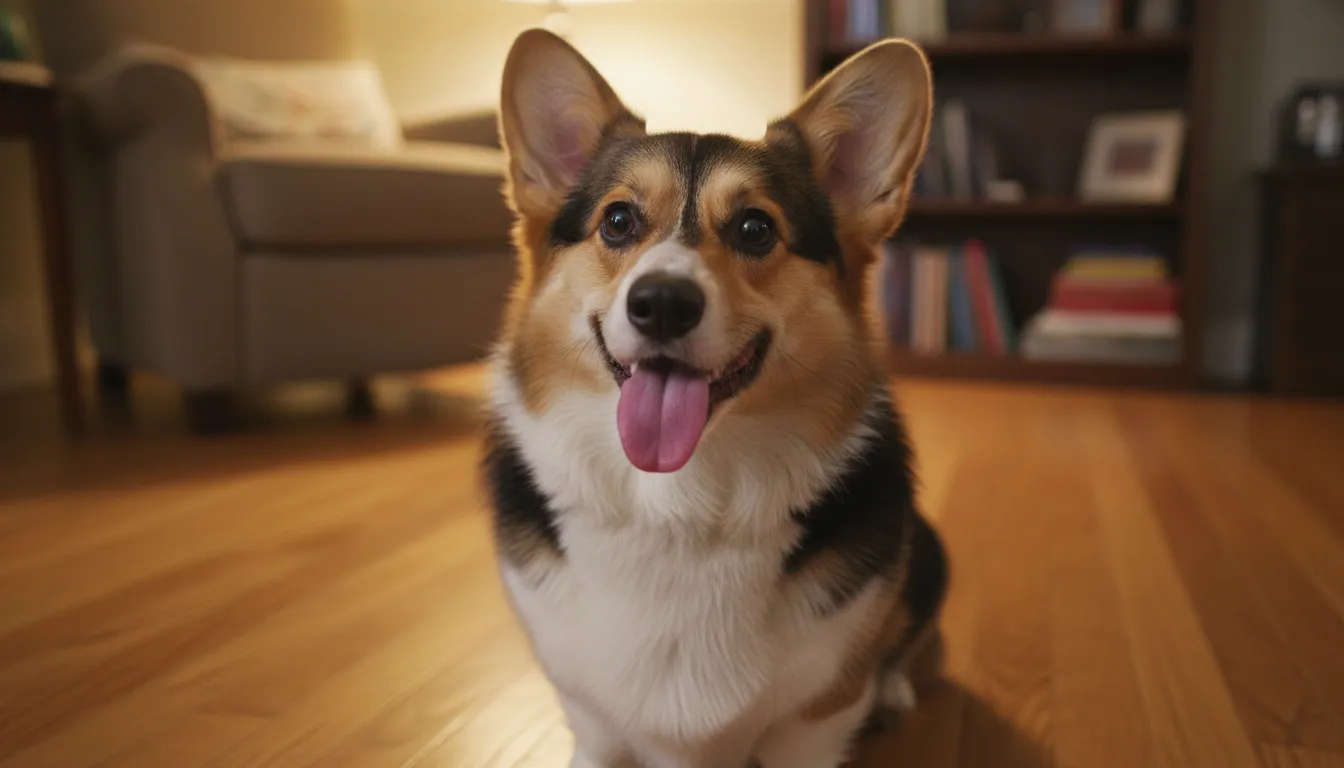
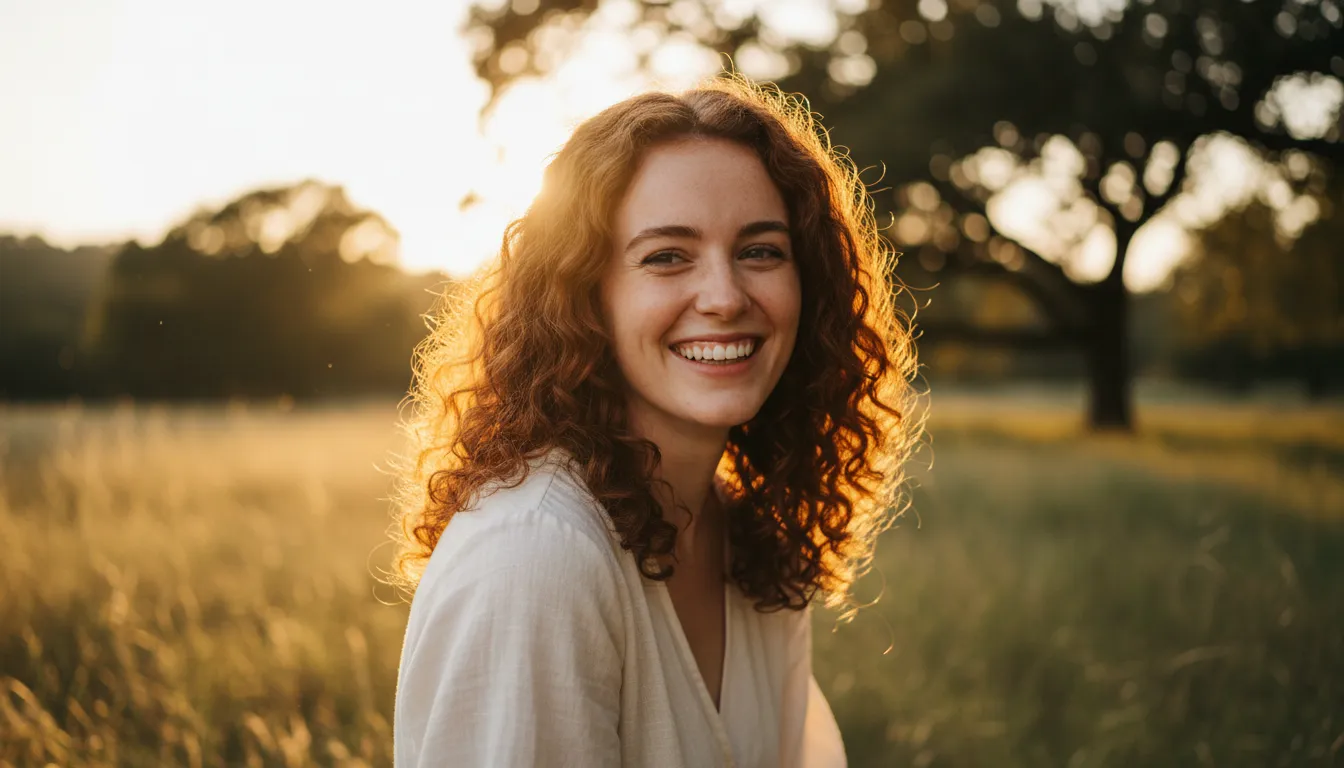
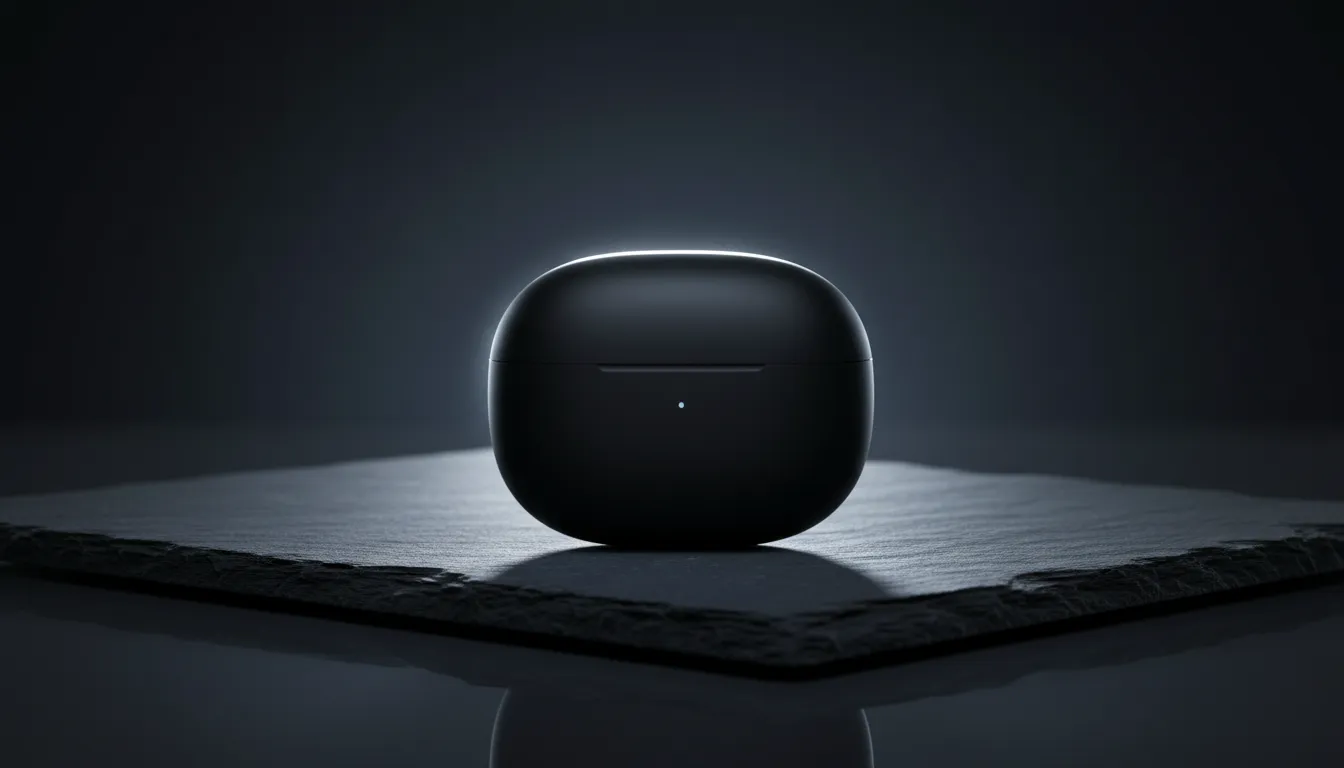

The fifth scenario — illustration — is the witch example at the top of this page (Kling 2.6, ⚡20). Same-run evidence rule applies everywhere: one real run is one data point, never a crown.
Compare them yourself — on one balance
This is the actual product: six engines behind one interface, funded by one-time credits from $5.90, no plan anywhere. The free account arrives with ⚡10 — enough to start your first A/B on your own photo.
Frequently asked questions
What is the best AI image-to-MP4 model?
"Best" is relative to the shot. Reading the spec sheets (we have not published a same-image benchmark across all six yet): fidelity tops out at Veo 3.1, cinematic-per-dollar belongs to Kling 2.6 at ⚡20, nothing else reaches 30 seconds except Seedance 2.5, and Seedance Mini is the cheapest listenable clip. The decision method we actually trust costs one credit balance — same photo, same words, two engines.
Which is better, Kling or Veo?
Different sports. Kling 2.6 undercuts on price (⚡40 vs ⚡45), outputs 720p, and follows instructions with unusual discipline. Veo 3.1 Fast exists for fidelity — cleaner faces, better-lit scenes, a 4K path Kling lacks. Keepsake portrait? Spend the extra 5 on Veo. Ten prompt ideas before lunch? Kling.
What is the best alternative to Kling?
All five of them — Grok Imagine 1.5, Veo 3.1, Vidu Q4, Seedance 2.5, Seedance Mini — sit on the same balance as Kling here, no separate plan required. If you want a genuinely different angle rather than a clone: Vidu Q4 (16-second takes, 4K). If you want the same job for less: Seedance Mini (⚡20, audio included).
Which AI MP4 generator supports multiple models?
This site — six engines (Grok Imagine, Kling 2.6, Veo 3.1, Vidu Q4, Seedance 2.5, Seedance Mini) behind one interface and one balance. The model is a per-render choice, not a per-model invoice.
How much does each model cost per video?
Default tiers: Turbo at ⚡15, Kling and Mini at ⚡40, H3 Max and Grok and Veo at ⚡45, Vidu at ⚡55, Seedance 2.5 at ⚡125. rising with duration and resolution. Errors never bill — failed runs refund themselves.
How can I compare AI video models fairly?
Lock three variables: one source image, one prompt, one duration. Then judge face stability, obedience to the prompt, and artifact rate — never curated showcase reels. Our own same-image benchmark page is in the works; until it ships, meet every site-wide “winner” claim, ours included, with suspicion.
Disclosed: written by the team behind ImageToMP4. Model specs verified against live settings on October 29, 2026; benchmark videos cited only once published.